






















Moving to IP telephony: what really changes for an SMB
Costs, numbers, remote work, call quality: concrete answers to the questions businesses ask before leaving their PBX.
12 August 2026 · 1 min read · ALLSAFE SOLUTIONS

The traditional phone system is often the last “legacy” piece of equipment in an SMB. It works, so nobody touches it. Until the day you need to add an extension, open a site or let a team work remotely. Here is what a move to IP actually brings.
What goes down: the bill
Calls travel over your internet access and a SIP trunk. Internal calls between sites become free, per-line subscriptions disappear, and hardware is limited to IP handsets or an app. Over three years, most of our clients see a 30 to 50% drop in total cost.
What stays: your numbers
Number porting lets you keep your existing numbers. During the transition, the old and new systems can coexist for a few days so nothing is cut off.
What you gain: features
- Mobile and desktop apps: your business number follows you, working from home or on the road.
- Call queues and IVR menus: reception is structured, calls no longer get lost.
- Recording and statistics: essential for customer service or appointment booking.
- CRM integration: the customer’s record opens when they call.
What to prepare: the network
Call quality depends on the network. A voice VLAN, QoS prioritisation on the firewall and, for multi-site companies, an SD-WAN that fails over automatically between two links: that is what separates a successful migration from a painful one.
3CX or Yeastar?
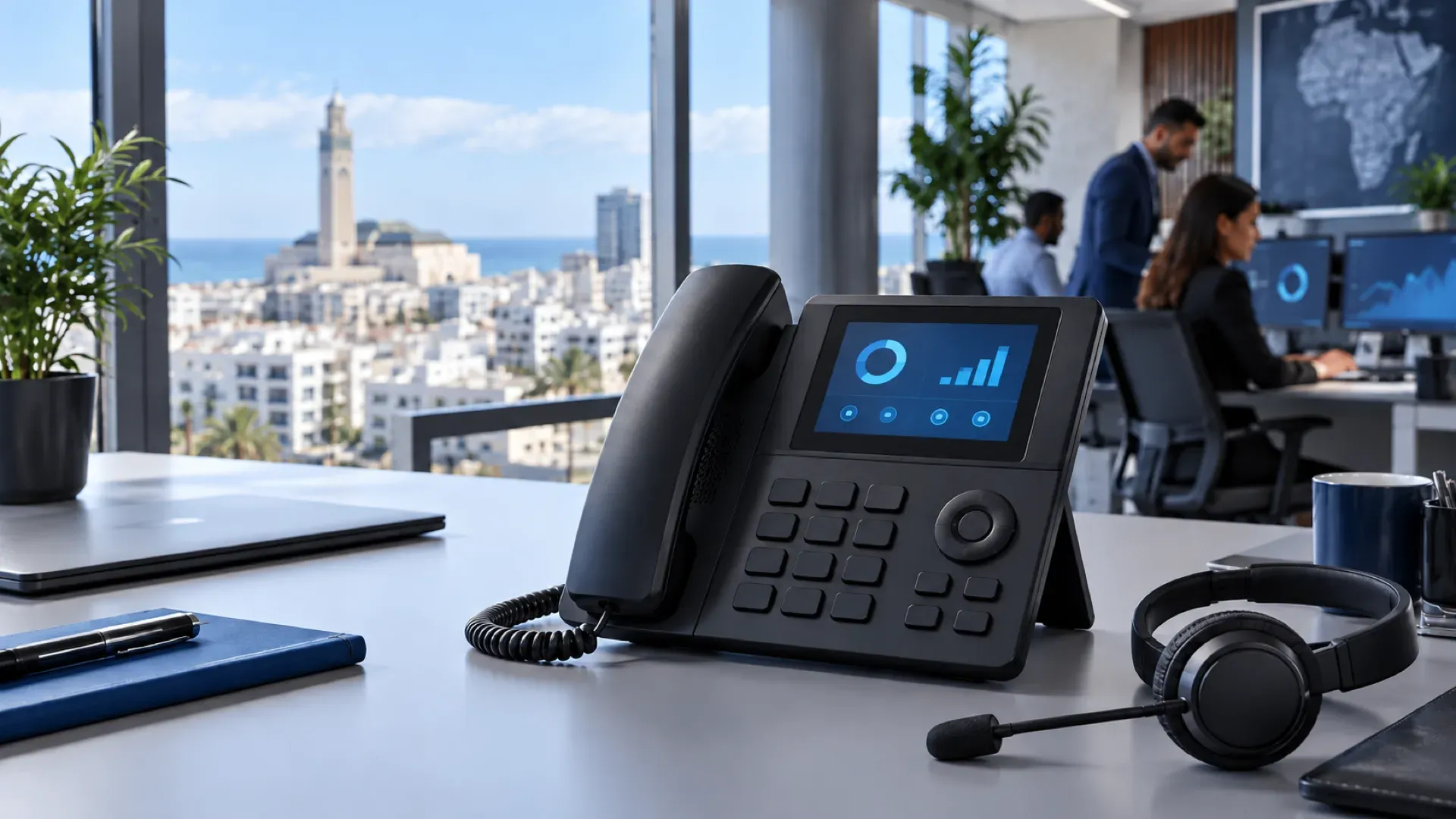
3CX is a feature-rich software PBX, hosted or on premises. Yeastar P-Series is a robust appliance, simple to administer, popular with clinics and industrial sites. We deploy both and guide you based on your usage. Details on our IP telephony page.
Let’s talk about your project.
Free initial audit, reply within one business day.